

ISTE Standard: Citizen (ISTE-E 2.3)

Promoting Responsible Digital Citizenship
Supporting students in becoming informed and responsible digital citizens is an essential part of my work in the media center. I guide students in evaluating information, protecting their privacy, respecting intellectual property, and making ethical choices when using digital tools and artificial intelligence. Through instruction and modeling, I strive to help students recognize that digital citizenship extends beyond the classroom and influences how they interact, communicate, and contribute to the digital world.
What ISTE-E 2.3 Means
The ISTE-E Citizen standard focuses on educators inspiring students to contribute positively and responsibly in the digital world, promoting safe and ethical technology practices, protecting personal data and privacy, and modeling responsible use of digital resources and intellectual property (International Society for Technology in Education [ISTE], 2024).
Four Areas of the Citizen Standard
2.3a – Create Positive Experiences: Create opportunities for students to make positive, socially responsible contributions and participate in inclusive online communities.
2.3b – Evaluate Resources for Credibility: Develop students’ digital literacy through curiosity, reflection, and critical evaluation of digital resources.
2.3c – Model Safe, Legal, and Ethical Practices: Mentor students in using digital tools and content safely, legally, and ethically.
2.3d – Manage and Protect Data: Model responsible management of personal data and digital identity while protecting student information.
Reflection on Citizenship
To me, digital citizenship is about more than teaching students how to use technology. It is about helping them understand how to use digital tools safely, ethically, responsibly, and thoughtfully. Through my work with students at both the middle and high school levels, I reinforce these principles by guiding students in evaluating information, protecting their privacy, respecting intellectual property, and making responsible choices when using digital resources. With the increased use of artificial intelligence, I also recognize the importance of helping students use AI responsibly while critically examining the accuracy, credibility, and potential bias of AI-generated information.
My graduate studies have deepened my understanding of digital citizenship and the importance of modeling ethical technology use. I have become more intentional about integrating information literacy, copyright, digital footprints, privacy, and responsible AI use into my instruction. I also recognize the value of providing students with meaningful opportunities to apply these concepts in real-world situations. As I continue to grow professionally, I hope to strengthen my instructional practices and collaborate with teachers to prepare students to navigate the digital world with confidence, integrity, and critical thinking skills.
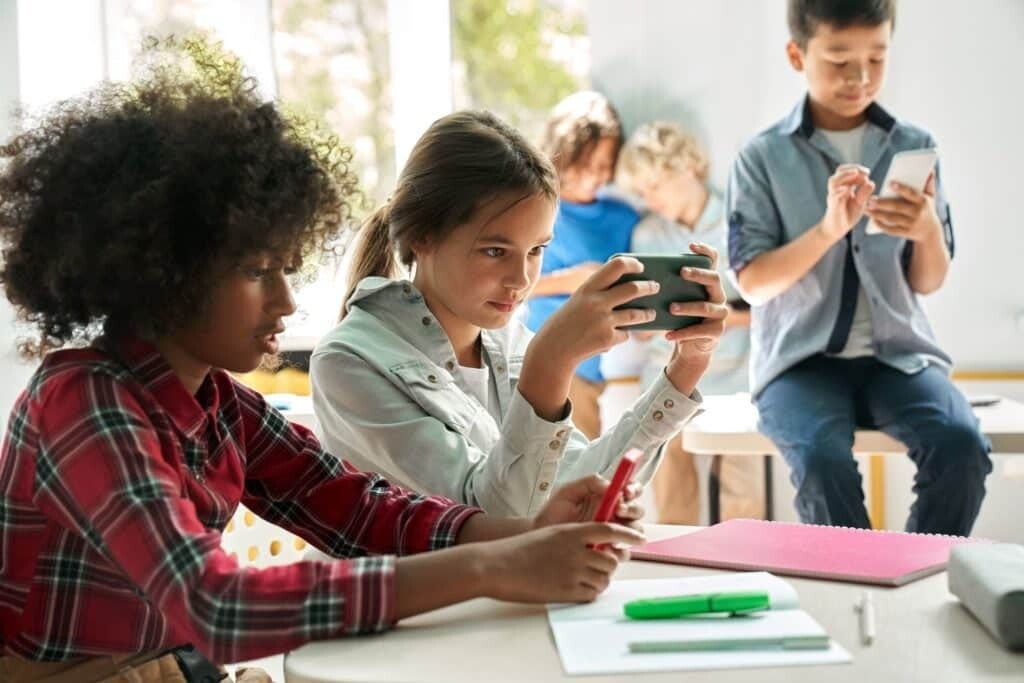
From Digital Awareness to Responsible Citizenship
I believe digital citizenship education should do more than teach students what to avoid online; it should empower them to make thoughtful choices and engage positively in digital spaces. This curriculum guide reflects my commitment to helping students become informed, ethical, and responsible digital citizens. Designed for grades 6–8, the lessons integrate digital citizenship into Social Studies instruction while aligning with ISTE Standards, New Jersey Student Learning Standards, and our school's core values: Be Present, Be Connected, and Be the Difference. Through lessons on digital footprints, cyberbullying prevention, media literacy, and AI ethics, students are encouraged to think critically, make responsible decisions, and contribute positively to their digital communities.
Building a Culture of Responsible Digital Citizenship
As artificial intelligence becomes more integrated into education, I recognize the importance of establishing clear expectations for its ethical and responsible use. I developed this proposed AI Usage Policy for a school library digital makerspace as part of my graduate coursework. The policy addresses copyright, intellectual property, student privacy, attribution, and the responsible use of AI-powered creative tools. It also establishes guidelines for preventing misinformation, bias, and inappropriate content while encouraging creativity and critical thinking. This artifact reflects my commitment to helping students navigate emerging technologies responsibly while fostering a safe, inclusive, and ethical digital learning environment.
The complete policy, including its research foundation, implementation guidelines, and supporting references, is available in the attached document.
AI Use Statement: This professional learning resource was developed using source materials curated in Google NotebookLM. NotebookLM and Gemini were used to assist with organizing, synthesizing, and presenting the content. The information was reviewed and edited for accuracy and instructional relevance.
References
American Association of School Librarians. (2018). National school library standards for learners, school librarians, and school libraries. ALA Editions.
Common Sense Media. (n.d.). Upstanders and allies: Taking action against cyberbullying. Common Sense Education. https://www.commonsense.org/education/digital-citizenship/lesson/upstanders-and-allies-taking-action-against-cyberbullying
International Society for Technology in Education. (2017). ISTE standards: Educators. https://iste.org/standards/educators
Miao, F., & Holmes, W. (2023). Guidance for generative AI in education and research. UNESCO. https://unesdoc.unesco.org/ark:/48223/pf0000386693
New Jersey Department of Education. (2020a). New Jersey student learning standards: Career readiness, life literacies, and key skills. https://www.nj.gov/education/standards/clicks/Docs/2020NJSLS-CLKS.pdf
New Jersey Department of Education. (2020b). New Jersey student learning standards: Computer science and design thinking. https://nj.gov/education/standards/compsci/index.shtml
U.S. Department of Education, Office of Educational Technology. (2023). Artificial intelligence and the future of teaching and learning: Insights and recommendations. https://www2.ed.gov/documents/ai-report/ai-report.pdf